
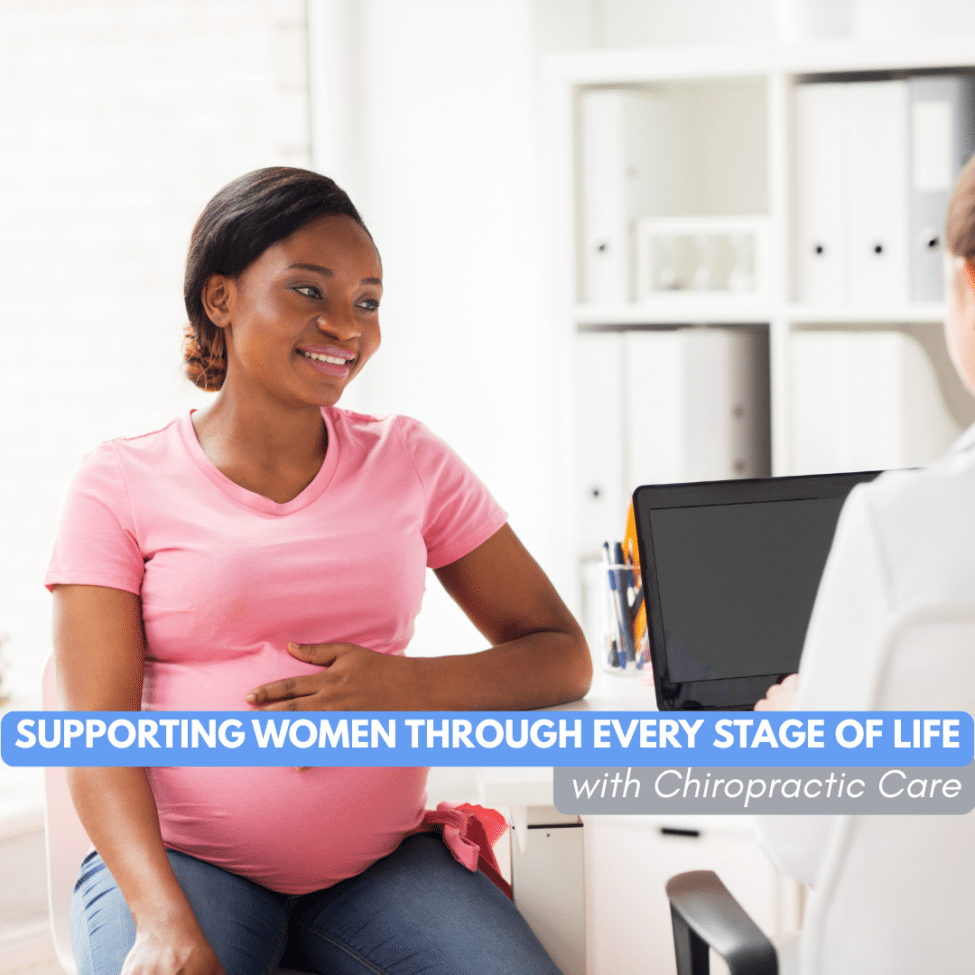
Supporting Women Through Every Stage of Life with Chiropractic Care
Women’s bodies are constantly changing and adapting throughout life—from puberty and pregnancy to postpartum recovery, menopause, and beyond. Today I am focusing on an area of healthcare that often gets overlooked: musculoskeletal and nervous system health.
As a Doctor of Chiropractic, I see firsthand how pain, tension, posture changes, and pelvic imbalance can impact daily life. Many women assume discomfort is simply something they have to “live with,” especially during hormonal or reproductive changes. The reality is that there are supportive, conservative options that may help improve comfort, movement, and overall quality of life. Chiropractic care focuses on helping the body move and function better—naturally.
How Women Carry Stress
Women often juggle careers, caregiving, parenting, pregnancy, athletics, and daily responsibilities all at once. That stress frequently shows up physically as:
- Neck and shoulder tension
- Headaches
- Low back pain
- Pelvic discomfort
- Hip tightness
- Postural strain
- Fatigue and muscular tension
Over time, poor movement patterns and chronic stress can place additional strain on the spine, joints, and nervous system. Chiropractic care aims to restore motion, reduce tension, and help the body function more efficiently.
Pelvic Floor Dysfunction: More Common Than Many Realize
The pelvic floor is a group of muscles that supports the bladder, uterus, and bowel. Pregnancy, childbirth, posture changes, chronic tension, and even prolonged sitting can affect how these muscles function.
Pelvic floor dysfunction may contribute to:
- Pelvic pain or pressure
- Hip and sacroiliac discomfort
- Pain with movement
- Low back tension
- Core instability
Improving pelvic alignment, spinal mobility, and surrounding muscular balance may help reduce stress on the pelvis and support overall function. Chiropractors often work collaboratively with pelvic floor physical therapists and other healthcare providers as part of a comprehensive care team.
Pregnancy, Pelvic Balance, and the Webster Technique
Pregnancy creates rapid changes in posture, joint mobility, and weight distribution. As the pelvis adapts, many women experience low back pain, hip discomfort, or sciatic-type symptoms.
I have additional prenatal training in a technique called Webster Technique. This is a specialized chiropractic analysis and adjustment approach focused on pelvic balance during pregnancy.
The Webster Technique is designed to:
- Improve pelvic mobility
- Reduce tension in surrounding muscles and ligaments
- Support comfort during pregnancy
- Encourage balanced movement patterns
Chiropractors certified in the Webster Technique through the International Chiropractic Pediatric Association (ICPA) complete advanced training focused on prenatal chiropractic care. Many pregnant patients report feeling more comfortable, mobile, and supported when receiving gentle chiropractic care throughout pregnancy.
Managing Pain Associated with Endometriosis and PMOS
Conditions such as endometriosis and Polyendocrine Metabolic Ovarian Syndrome (PMOS) can affect much more than reproductive health. Many women with these conditions also experience chronic muscular tension, pelvic discomfort, low back pain, and postural changes related to guarding or inflammation.
Chiropractic care does not treat the underlying hormonal condition itself, but it may help address associated neuromusculoskeletal discomfort by:
- Improving spinal and pelvic motion
- Reducing muscle tension
- Supporting posture
- Encouraging healthier movement patterns
When the body is under chronic stress or pain, muscles often tighten defensively. Chiropractic care, stretching, and movement guidance may help reduce some of that physical strain.
Headaches, Neck Pain, and Hormonal Changes
Hormonal fluctuations can sometimes contribute to tension headaches, migraines, and neck tightness. Add long hours at a desk, poor posture, or stress, and the body can quickly become overwhelmed.
Chiropractors commonly help women manage:
- Tension-related headaches
- Neck stiffness
- Shoulder tension
- Upper back pain
- Jaw tension related to stress
Restoring movement to the spine and reducing muscular tension may help many women feel more comfortable and mobile in their daily lives.
A Whole-Body Approach to Women’s Wellness
Women’s health is about more than symptom management—it’s about helping the body function at its best through every stage of life.
Chiropractic care often includes:
- Gentle spinal and pelvic adjustments
- Mobility recommendations
- Myofascial release
- Stretching and strengthening guidance
- Ergonomic and posture education
- Support for healthy movement habits
The goal is not just temporary relief, but helping women move, recover, and function with greater confidence.
Final Thoughts
Women’s bodies are powerful, adaptable, and constantly evolving—but that doesn’t mean pain and discomfort should be ignored.
Whether you’re pregnant, postpartum, managing chronic pelvic tension, or simply dealing with the physical stress of everyday life, chiropractic care may offer a supportive, drug-free option to help improve comfort and mobility.
Take time to care for yourself, your movement, and your long-term wellness. Your health matters too.
To schedule a chiropractic consultation with Dr. Meyers, call Whole Health Wellness Center at (860) 674-0111.